Domestic vs Commercial Builder: What Is the Difference?
One of the most common questions for anyone entering the construction industry is the difference between a domestic builder and a commercial builder.
While both operate in the building sector, domestic and commercial builders work under very different licensing frameworks, project scopes, risk levels, and regulatory requirements.
Understanding the difference is critical before applying for a builder licence, choosing qualifications, or planning your career pathway.
What Is a Domestic Builder?
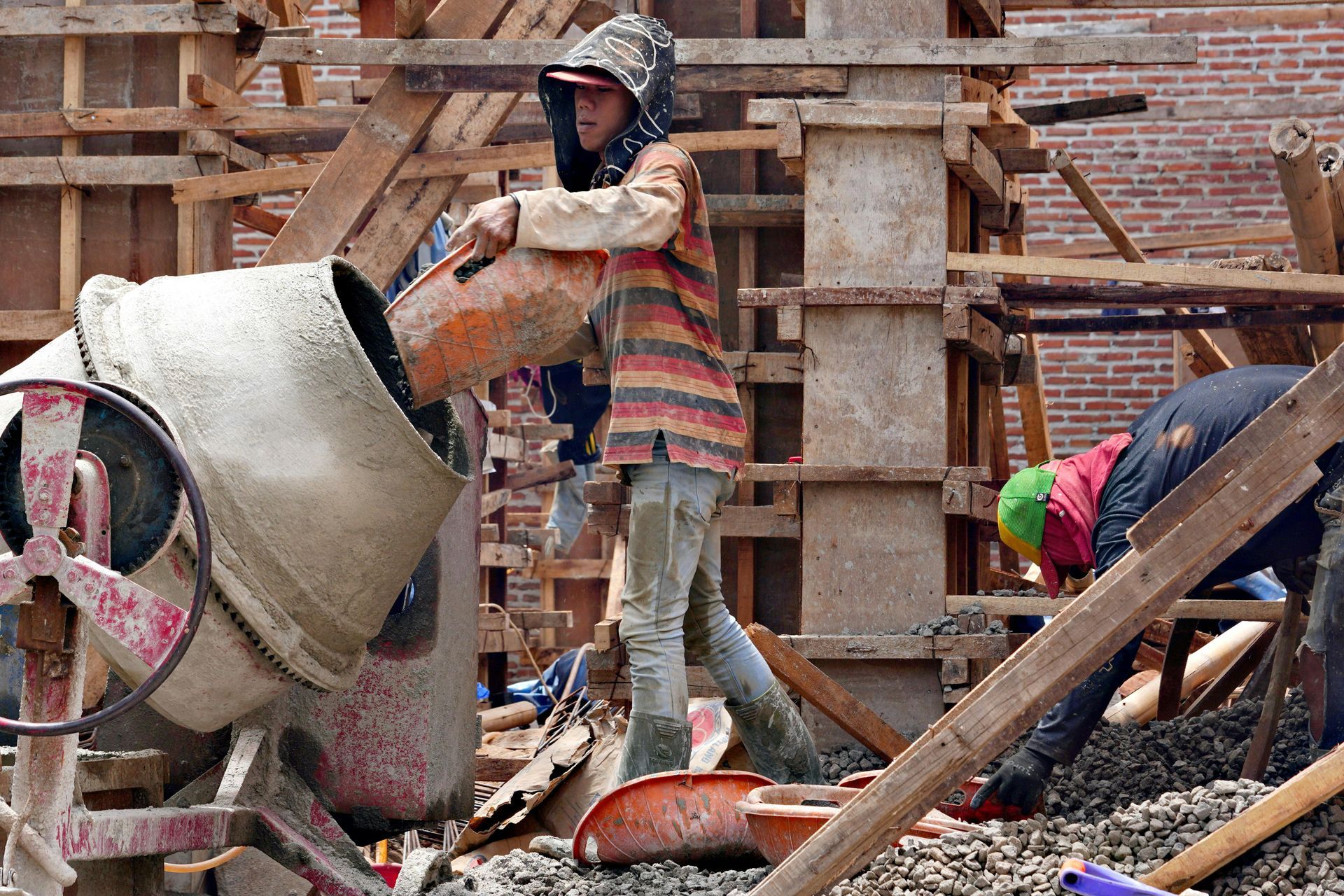
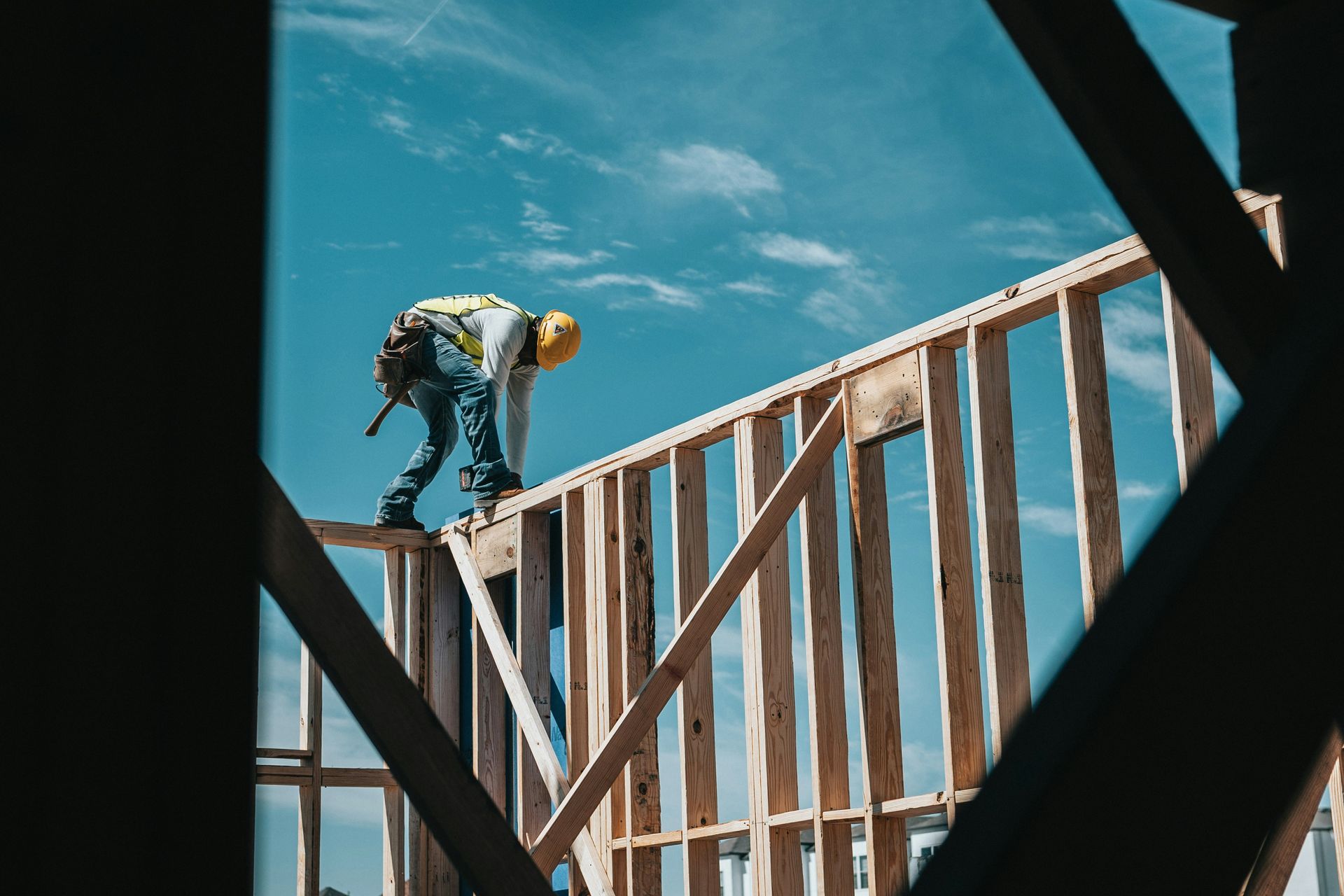
A domestic builder works primarily on residential construction projects.
This includes:
- Houses
- Townhouses
- Duplexes
- Renovations
- Extensions
- Small residential developments
Domestic builders are responsible for constructing and managing homes and residential buildings intended for people to live in.
Typical Domestic Builder Responsibilities
Domestic builders usually manage:
- Home construction from start to finish
- Client communication
- Subcontractor coordination
- Material ordering
- Quality control
- Defect rectification
- Residential compliance
They often deal directly with homeowners rather than corporate clients.
What Is a Commercial Builder?
A commercial builder works on non residential buildings and large scale projects.
This includes:
- Office buildings
- Shopping centres
- Hospitals
- Schools
- Industrial facilities
- Warehouses
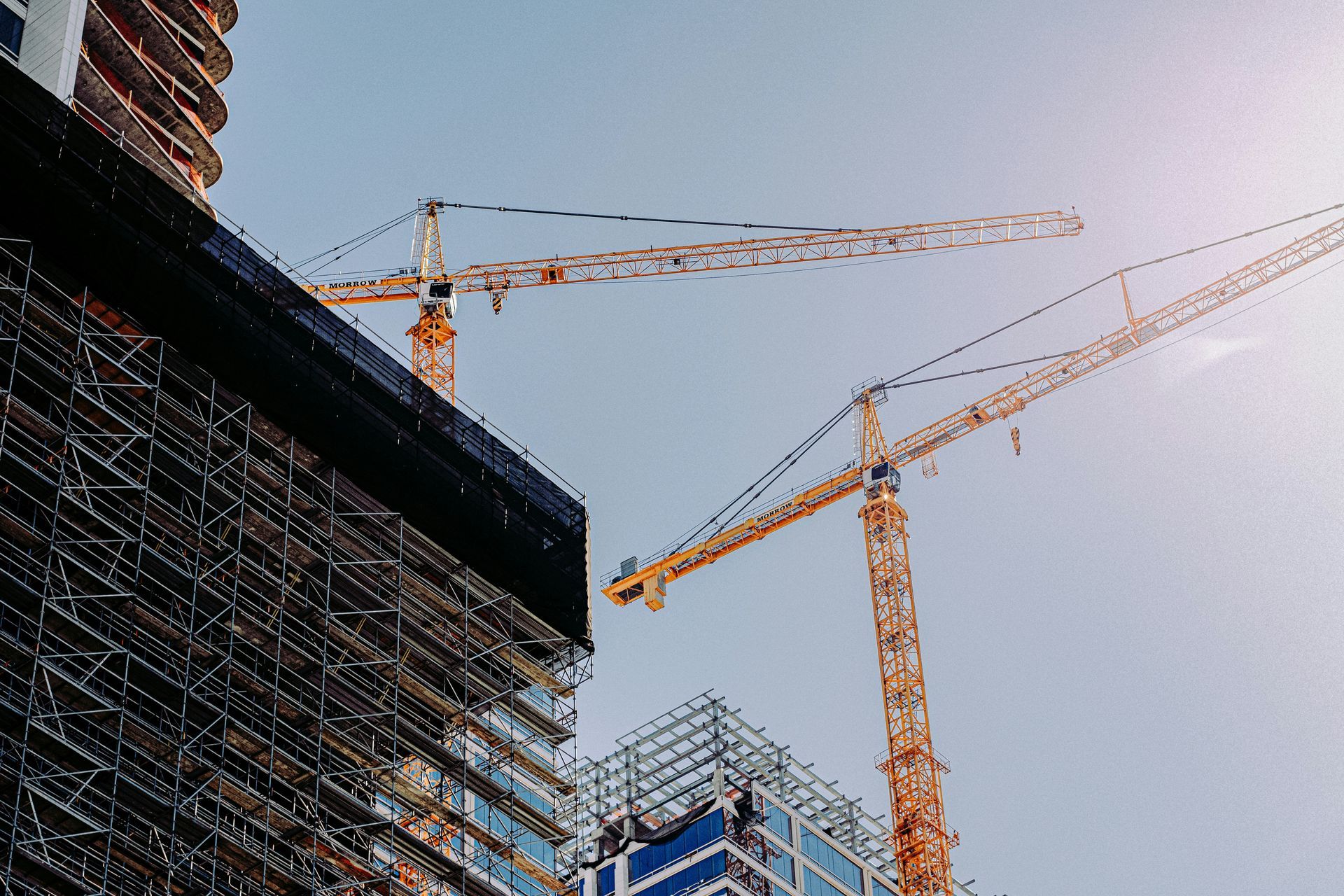
- High rise developments
Commercial projects involve higher budgets, more complex engineering, and stricter compliance requirements.
Typical Commercial Builder Responsibilities
Commercial builders manage:
- Large project teams
- Engineers and consultants
- Complex contracts
- Multi level compliance
- Workplace safety systems
- Program scheduling
- Risk management
They usually work for developers, corporations, or government bodies.
Key Differences Between Domestic and Commercial Builders
Project Size and Value
Domestic builders usually handle:
- Projects under several million dollars
- Smaller teams
- Simpler contract structures
Commercial builders handle:
- Multi million dollar projects
- Large multidisciplinary teams
- Complex legal contracts
Licensing Differences
Domestic builder licences generally allow:
- Residential work only
- Limited building heights
- Lower financial thresholds
Commercial builder licences allow:
- High rise and complex buildings
- Industrial and institutional projects
- Higher financial categories
Many states require separate licence classes for each.
Insurance Requirements
Domestic builders must hold:
- Public liability insurance
- Home warranty or domestic building insurance
Commercial builders must hold:
- Higher public liability cover
- Professional indemnity
- Contract works insurance
Commercial insurance costs are significantly higher.
Risk and Compliance
Domestic builders deal with:
- Homeowner disputes
- Residential warranty claims
- Consumer protection legislation
Commercial builders deal with:
- Corporate legal contracts
- Workplace safety audits
- Engineering certification
- Government compliance
The legal and financial risk is far greater in commercial construction.
Can a Domestic Builder Do Commercial Work?
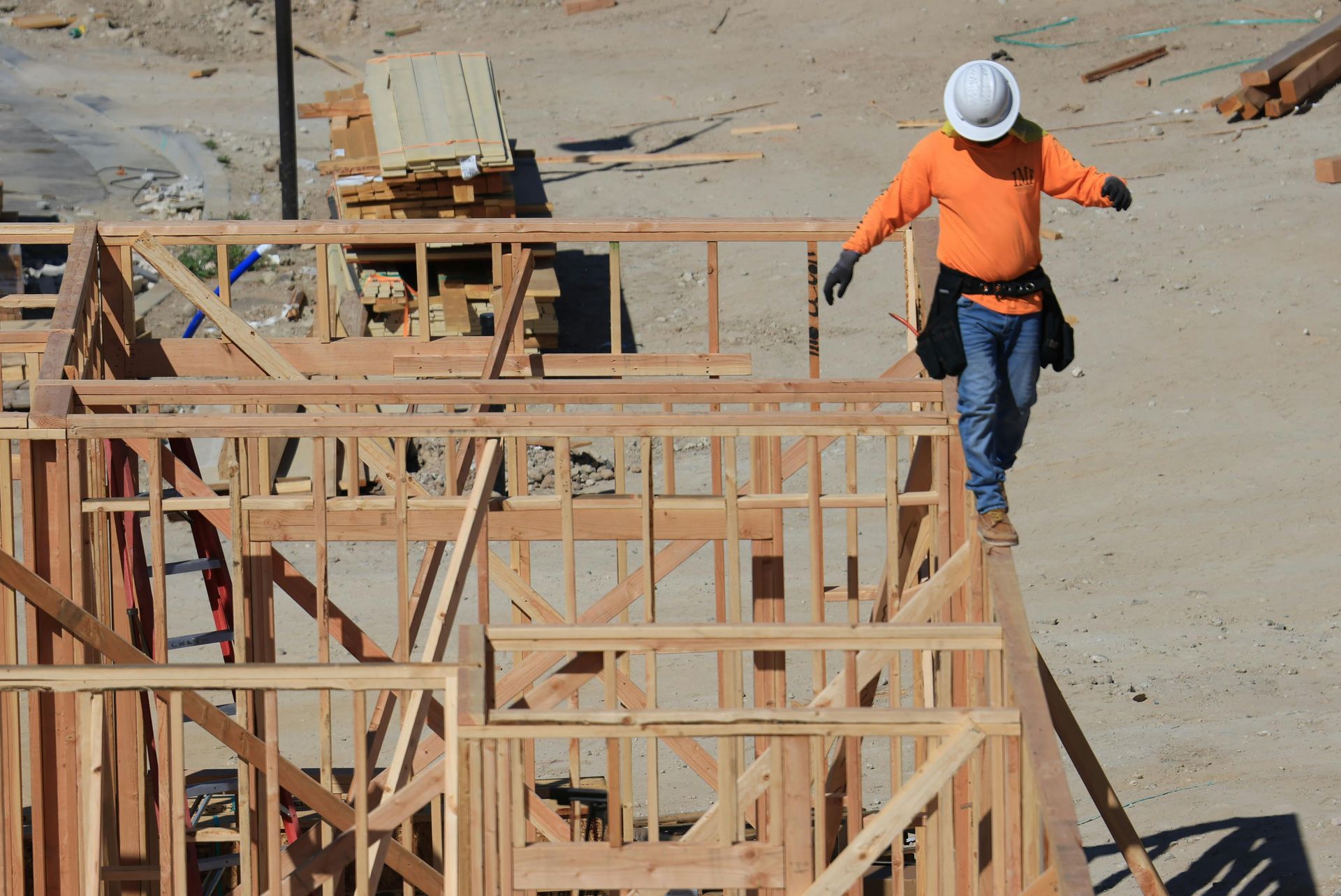
In most states, no.
A domestic builder licence does not automatically allow you to perform commercial building work.
To move into commercial construction you usually need:
- A higher licence class
- Additional qualifications
- Strong commercial experience
- Higher financial capacity
Attempting commercial work without the correct licence is illegal.
Which Path Is Better?
There is no universal answer. It depends on your goals.
Domestic building suits people who:
- Want to work directly with homeowners
- Prefer smaller projects
- Want lower financial risk
- Plan to operate a smaller business
Commercial building suits people who:
- Want large scale projects
- Can manage complex teams
- Accept higher risk
- Aim for high revenue businesses
Income Differences
Domestic builders usually earn:
- Lower per project
- More consistent workload
- Faster job turnover
Commercial builders usually earn:
- Higher per project
- Longer project timelines
- Higher overhead costs
Commercial profits can be higher, but losses are also bigger.
Common Mistakes When Choosing
The biggest mistakes people make include:
- Applying for the wrong licence class
- Underestimating commercial complexity
- Lacking financial capacity
- Attempting projects beyond experience
- Assuming licences are interchangeable
This often leads to rejected applications or regulatory penalties.
In Summary
Domestic builders focus on residential construction and homeowners.
Commercial builders focus on large scale, complex, non residential projects.
Key differences include:
- Licence class
- Project size
- Insurance requirements
- Financial risk
- Compliance complexity
Choosing the right pathway is critical before investing in qualifications, insurance, or licensing.
Domestic and commercial building are both professional careers, but they operate in completely different regulatory and business environments.
Let Us Make it
Easy For You
Securing a QBCC Builders Licence can be complex and time consuming. Professional guidance can significantly reduce risk, delays, and unnecessary costs.
Licensing specialists assist with:
- Eligibility assessments
- Document preparation
- Financial reviews
- Application submission
- Checklist letter responses
This structured support ensures applications meet QBCC standards before submission, maximising approval success and avoiding costly mistakes.

Get Qualified for Your Trade or Builders Licence.
If you’ve worked in the trade, we can help you turn that experience into a nationally recognised qualification fast — with zero study required.
Trade & Builder Licensing in Australia
Turn your experience into a trade or builder licence, fast.
If you're looking to get licensed as a trade contractor or builder in Australia, you’ve likely realised how overwhelming and complicated the process can be. Every state has different rules, different application processes, and different qualification requirements.
✔ That’s where CertifyMe comes in.
We specialise in helping experienced tradies fast track their qualifications through Recognition of Prior Learning (RPL) so they can get licensed without wasting their time and money!
⭐ Trusted by 2,000+ Qualified Tradies