

Tasmania Contractor Licence Guide (CBOS)
If you want to legally carry out licensed trade work in Tasmania, you must hold the appropriate licence or registration issued by Consumer, Building and Occupational Services (CBOS). Trade licensing in Tasmania is regulated under the Occupational Licensing Act and applies to individuals and businesses performing regulated building and construction work.
A Tasmania Trade Licence confirms that a tradesperson has met strict standards of competency, experience, and professional suitability. Without the correct CBOS licence, it is illegal to contract, advertise, or perform many categories of trade work in Tasmania.
What is a Tasmania Trade Licence?
A Tasmania Trade Licence is a legal authorisation that allows an individual or company to perform specific categories of building or trade work under defined scopes.
Each licence class specifies:
- The exact work you can perform
- Whether you can contract directly with clients
- Whether you can supervise others
- Whether you must operate under a licensed contractor
Trade licensing in Tasmania is scope restricted and does not allow full project management unless you also hold a builders licence.
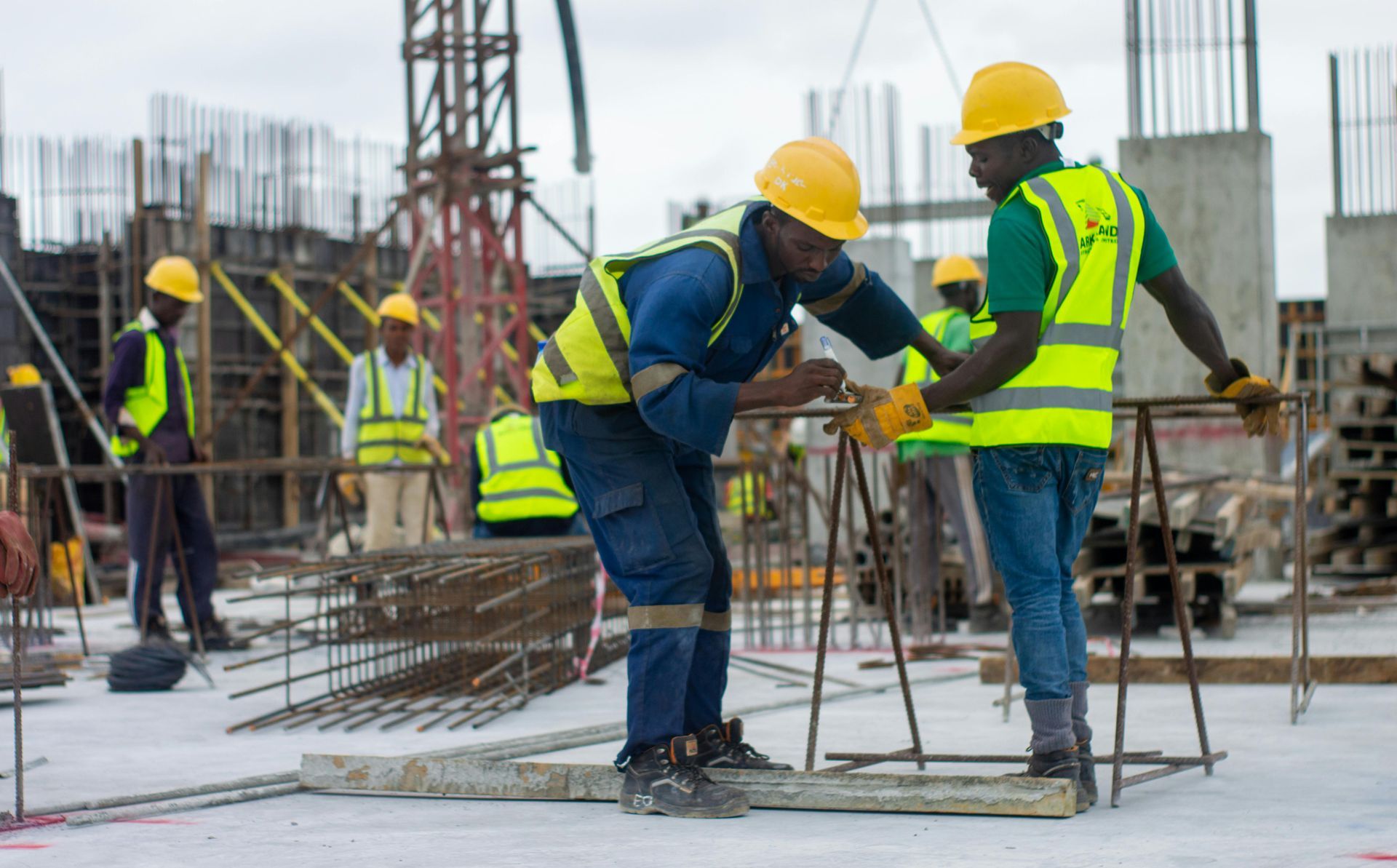
Who Needs a Trade Licence in Tasmania?
Any person or business performing regulated trade or building work valued over $5,000 must hold appropriate CBOS licensing.
This includes:
- Sole traders
- Subcontractors
- Company directors
- Independent contractors
- Labour hire tradespeople
If you quote, invoice, advertise, or supervise trade work, you must be licensed.
What Trades Require Licensing in Tasmania?
CBOS regulates a wide range of licensed and registered trades, including:
Structural Trades
- Carpentry
- Bricklaying and blocklaying
- Concreting
- Steel fixing
- Formwork
Finishing Trades
- Wall and ceiling lining
- Painting and decorating
- Tiling
- Plastering
- Waterproofing
Installation and Specialist Trades
- Glazing
- Structural landscaping
- Shopfitting
- Swimming pool construction
- Demolition
Some trades, such as plumbing, gas fitting, and electrical, are regulated under separate specialist authorities in Tasmania.
Types of Tasmania Trade Licences
Tasmania trade licences fall into several main categories.
Building Contractor Licence
Allows you to contract directly with clients and operate a trade business.
Building Practitioner Registration
For individuals performing or supervising trade work under a licensed contractor.
Provisional Licences
For applicants who meet some but not all requirements and require supervised practice.
Company Trade Licences
For companies offering trade services.
Each licence category defines exactly what work the holder is legally allowed to perform.
What Work Can You Do Without a Licence in Tasmania?
In Tasmania, unlicensed individuals may only perform trade or building work valued under $5,000.
This limit includes:
- Labour
- Materials
- GST
Splitting projects into multiple invoices to avoid licensing requirements is illegal.
What Qualifications Are Required for a Tasmania Trade Licence?
Most CBOS trade licences require:
- Relevant Certificate III trade qualification
- Or equivalent nationally recognised training
- Or approved Recognition of Prior Learning (RPL) outcome
Examples:
Carpentry → Certificate III in Carpentry
Concreting → Certificate III in Concreting
Tiling → Certificate III in Wall and Floor Tiling
Painting → Certificate III in Painting and Decorating
Some licence categories may also require:
- Certificate IV qualifications
- Supervisor or management experience
- Financial or business training
Do You Need Experience for a Tasmania Trade Licence?
Yes. CBOS requires applicants to demonstrate both formal qualifications and practical industry experience.
Applicants must show:
- Recent hands on trade work
- Project involvement
- Supervision or responsibility
- Verifiable work history
Experience is assessed alongside qualifications and is critical for approval.
Can You Get a Tasmania Trade Licence Without a Trade Certificate?
In some cases, yes, through Recognition of Prior Learning (RPL).
RPL allows experienced tradespeople to obtain formal qualifications based on:
- Work history
- Evidence portfolios
- Site photos and videos
- Employer references
Once the qualification is issued, you can apply for CBOS licensing.
How to Apply for a Tasmania Trade Licence
The application process includes:
- Proof of identity
- Qualification certificates
- Experience evidence
- Financial declarations
- Supervisor arrangements if required
- Application and licence fees
Applications are submitted directly to CBOS.
How Long Does It Take to Get a Tasmania Trade Licence?
Most applications are processed within four to eight weeks, depending on:
- Completeness of documents
- Licence category
- Experience verification
- Financial checks
Delays usually occur due to missing evidence or incorrect scope selection.
How Much Does a Tasmania Trade Licence Cost?
Costs may include:
- Application fees
- Annual licence fees
- Insurance costs
- Qualification or RPL costs
Exact fees vary depending on licence class and trade category.
What Insurance Do You Need?
Most CBOS trade licences require:
- Public liability insurance
- Professional indemnity insurance for certain trades
- Additional insurances depending on work type
Failure to maintain insurance can result in licence suspension or cancellation.
Penalties for Working Without a Licence in Tasmania
Operating without CBOS licensing can result in:
- Significant financial penalties
- Prosecution under the Occupational Licensing Act
- Stop work orders
- Loss of payment rights
- Contract invalidation
- Regulatory blacklisting
Unlicensed tradespeople often cannot legally recover payment for completed work.
Can You Transfer an Interstate Trade Licence to Tasmania?
Yes, through mutual recognition, however CBOS still assesses:
- Licence equivalency
- Scope of work
- Experience relevance
- Compliance history
Mutual recognition does not guarantee approval.
Most Frequently Asked Questions About Tasmania Trade Licences
Do apprentices need licensing?
No, apprentices may work under supervision without holding a trade licence.
Can I subcontract without a licence?
No. If you invoice or contract work, you must be licensed.
Can I hold multiple Tasmania trade licences?
Yes. Many tradespeople hold multiple CBOS licence classes.
Can I upgrade to a builders licence later?
Yes. Tasmania trade licensing and site supervision experience form the primary pathway to a builders licence.
Why Tasmania Trade Licensing Matters
Trade licensing exists to:
- Protect homeowners
- Ensure safety compliance
- Prevent defective construction
- Maintain industry standards
- Regulate professional conduct
CBOS actively audits practitioners and investigates complaints across the Tasmanian construction industry.
In Summary
A Tasmania Trade Licence is essential for anyone performing regulated trade work in Tasmania. It confirms technical competency, legal compliance, and professional credibility.
Without licensing, tradespeople face serious legal and financial risks. With licensing, tradespeople unlock higher income potential, insurance protection, government contracts, and long term career growth.
Holding CBOS trade licensing is not optional. It is the foundation of operating a legitimate, professional, and scalable trade business in Tasmania.
Let Us Make it
Easy For You
Securing a QBCC Builders Licence can be complex and time consuming. Professional guidance can significantly reduce risk, delays, and unnecessary costs.
Licensing specialists assist with:
- Eligibility assessments
- Document preparation
- Financial reviews
- Application submission
- Checklist letter responses
This structured support ensures applications meet QBCC standards before submission, maximising approval success and avoiding costly mistakes.
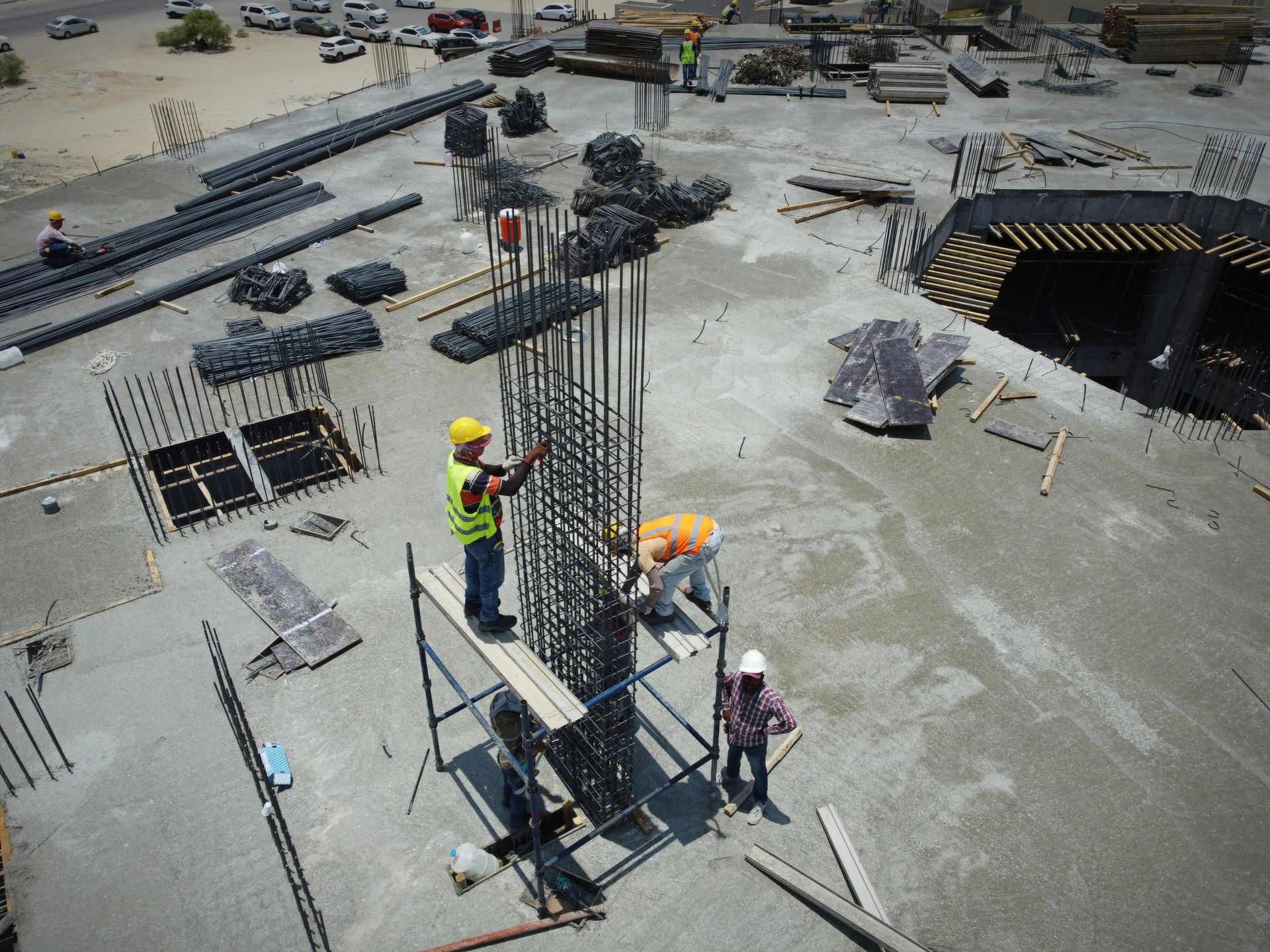





Get Qualified for Your Trade or Builders Licence.
If you’ve worked in the trade, we can help you turn that experience into a nationally recognised qualification fast — with zero study required.
Trade & Builder Licensing in Australia
Turn your experience into a trade or builder licence, fast.
If you're looking to get licensed as a trade contractor or builder in Australia, you’ve likely realised how overwhelming and complicated the process can be. Every state has different rules, different application processes, and different qualification requirements.
✔ That’s where CertifyMe comes in.
We specialise in helping experienced tradies fast track their qualifications through Recognition of Prior Learning (RPL) so they can get licensed without wasting their time and money!
⭐ Trusted by 2,000+ Qualified Tradies